

Home

Exploring and Living in Cuba

TOURS
Exploratory tours with Destination Cuba, a company with over twenty years experience in the country.
 

We offer specially designed “snowbird” tours who those who would like to spend winters in cuba or having their eyes set on a longer stay. At present you can only stay for three months and then have to leave and return. During your three month stay our people in Havana will help you renew your visa. Although, our one-of-a-kind tours can be taken at any time of the year.

Havana and/or The Other Side of Cuba Tour in Private Homes

Havana is also the former home of Nobel Prize winning America author Earnest Hemingway. His home is located just outside of Havana and is now a museum where his fishing boat, The Pillar is located. For those of you looking to visit its former port, Cojimar, we can also arrange that for you.

Our scouts have been traveling here for many years and often visited with his boat captain, Gregorio Fuentes in his home to discuss fishing techniques and hear him tell stories of “Papa”, as he was known.

Introduction to Cuba Tour for Snowbirds and Potential Residents

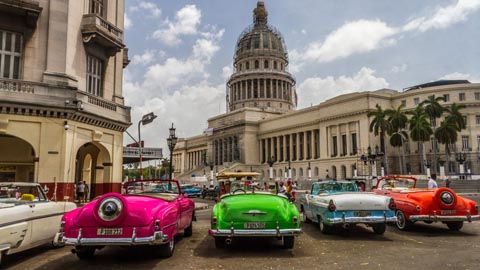
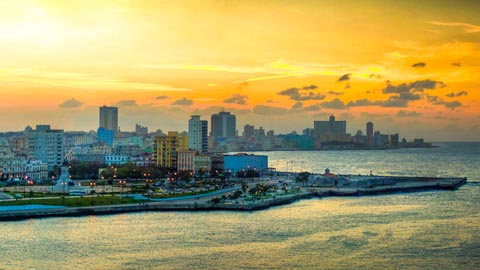
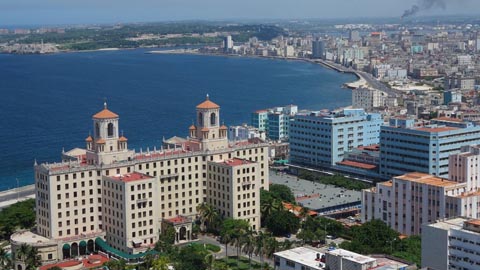
Any visit to Cuba has to start with Havana. The capital of Cuba is a living museum with its many architectural gems and historical landmarks. The city offers restaurants, bars, music venues, and many unique cultural activities.

The best way to see Havana is on foot since most of its construction was completed well before the arrival of the automobile. Havana is by far the safest city in Latin America and a place where you can feel comfortable and carefree while strolling down its streets. 

An In Depth Exploratory Tour for Snowbirds and Potential Residents

This comprehensive tour is for those thinking seriously about relocating part or full-time. It offers the sightseeing of tour 2 but with all of the “nuts and bolts” and indispensable insider information including: housing options (long-term rentals and posible home purchase), banking, cultural differences and adjusting, residency options, valuable contacts, customs rules, Internet and communications, laws, short cuts for learning Spanish, entertainment, ins and outs and dos and don’t’s to make the move as seamlessly as possible.

Cuba climate is tropicalCuba’s weather is pleasant and subtropical. The island lies in a tropical zone, but trade winds of the ocean and warm currents from the gulf stream keep the climate moderate, and less extreme than as in other tropical areas.

There are only two seasons, the dry season or la estación seca, from November to early May, and the rainy season or, la estación lluviosa, from May to October. It rains every day in the summer. Relative humidity is 77 percent during the dry season and 82 percent in the rainy season.

Showers can last up to an hour and are usually followed by sunshine and blue skies. Speaking of sun —there is an average eight hours of sunlight daily and 300 sunny days throughout the year.

There are no pronounced seasonal variations in temperature. The average temperature is around 77˚F /25˚C. Humidity and rainfall are the highest in September or October. July and and August are the hottest months with temperatures averaging 89˚F /32˚C. The coldest months tend to be January and February. September is the wettest month and February and March tend to be the driest. There is no danger of frost in Cuba since the lowest temperature is around 45˚F. The average annual temperature of Havana is approximately 77˚F/25.2˚C with summer highs of 82˚F/25.8˚C. The ideal time to visit the country is between March and May.

The climate varies from region to region. The mountains are cooler with the south and east being drier and warmer. In general the eastern provinces are warmer than the western ones except in the mountain areas.

Cuba lies in an area that is subject to hurricanes. The hurricane season runs from June to November with the worst storms in September or October. There have been a few big hurricanes this century that have affected Cuba. Havana and Pinar del Río are usually more susceptible than the eastern provinces. However, you should not lose any sleep over the prospect of hurricanes. They don’t occur on a regular basis and you are usually given ample warning to take adequate measures to protect yourself.

Because of Cuba’s warm tropical climate you can feel comfortable wearing casual cotton clothing during the day. However at night, you may be required to dress-up for going to restaurants or nightclubs.

Guidebook

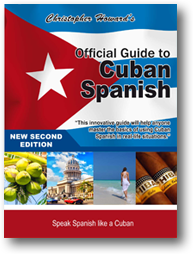
Official Guide to
Cuban Spanish

Official Guide to Cuban Spanish

For those who want to communicate with the locals and to develop basic Spanish survival skills, purchase our one-of-a-kind eBook which includes Cuban slang in English

BUY NOW

"I always keep this book on my tablet so that I can maneuver through Cuba’s linguistic maze."

Max Gómez, Cuba Scout, Travel Expert

Not ready to relocate to Cuba yet,
then check out 
Costa Rica Latin America’s #1
retirement haven
 
Live in Costa Rica

Disclaimer

Living and Investing in Cuba - Live in Cuba - Retire in Cuba - Retirement Tours in Cuba 

Information herein is authorized through the courtesy of Christopher Howard, author of the best selling Cuba information source, Living and Investing in the New Cuba. Please be aware that all information herein is protected by COPYRIGHT © and misuse of it will carry a penalty by law.